





Mexican Navy Ship Was Pulled By Tugboat Before Colliding With Brooklyn Bridge
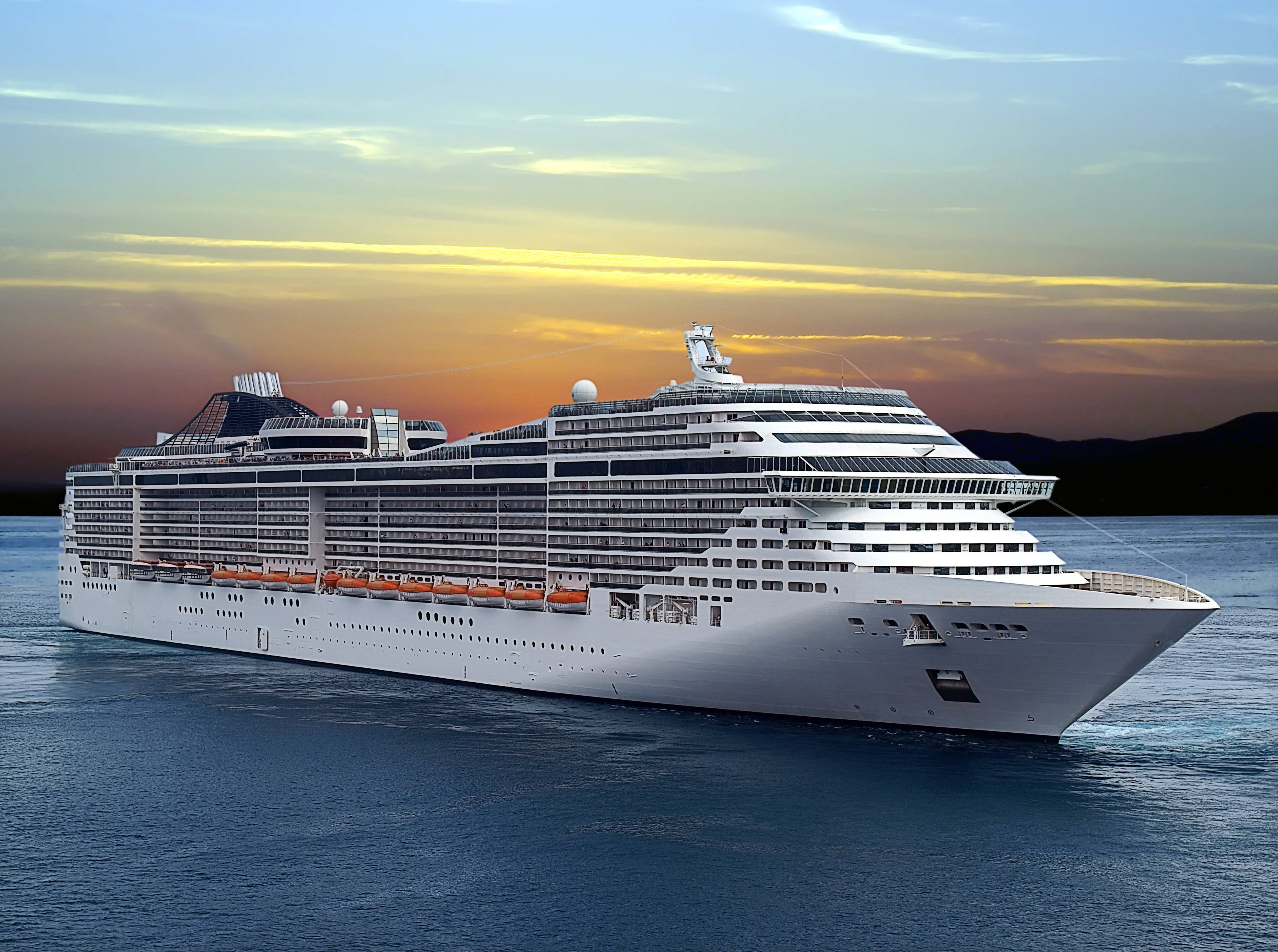
BROOKLYN, NEW YORK (May 20, 2025) – At least 20 people were injured, and two were killed after a Mexican navy ship crashed into the side of the Brooklyn Bridge.
New York City officials are saying that the accident took place on Saturday as part of a promotional tour in the city. Part of the mast on the ship collided with the bridge, leading it to snap in half.
The ship kept moving for a little while before coming to a stop. Eyewitnesses are saying that the Mexican Navy ship was traveling in reverse as it was being pulled by a tug.
Paramedics were called to the scene to help all of the victims. At least 20 people were injured, and two people tragically lost their lives.
This accident raises some unique questions with respect to standing and who may ultimately be liable.
Standing is a legal concept that refers to a party’s right to bring a civil action to court. In order to have standing, a party must demonstrate that they are sufficiently connected to some instance of harm from a law or action.
Who Has Standing To Sue For The Brooklyn Bridge Accident?
One of the unique aspects of the Mexican Navy ship accident is the nationality of the injured parties. Those injured by the accident were entirely Mexican sailors. Upon first glance, it does seem as though impacted military sailors may be able to pursue damages in U.S. courts. There are several points here worth considering.
- Location: The collision happened in US waters. As such, it falls under federal admiralty jurisdiction. In particular, 28 U.S.C. § 1333grants federal courts authority in maritime cases. Pursuant to the statute, “The district courts shall have original jurisdiction, exclusive of the courts of the States, of: (1) Any civil case of admiralty or maritime jurisdiction, saving to suitors in all cases all other remedies to which they are otherwise entitled.”
- Legal Hurdles: Foreign nationals are not automatically barred from filing civil claims in US courts. In maritime law, foreign nationals–including those serving in a foreign military–may have standing for injury claims in certain cases.
- Applicable Statutes: Foreign nationals may be able to pursue injury claims under the Suits in Admiralty Actand Public Vessels Act. These statutes provide a waiver of immunity of admiralty claims for collisions involving government-owned ships. They allow injured plaintiffs to file negligence claims against the United States when their injuries are caused by public vessels. This could include Coast Guard ships and other public vessels.
- Private Companies: Even if a sovereign immunity claim could be successfully established, this would not stop the Mexican sailors from potentially bringing a claim against private U.S. companies that may have operated the tugboat.
There is legal precedent related to injuries involving foreign seamen injured in U.S. territories. Consider, for example, Lauritzen v. Larsen, 345 U.S. 571 (1953). The case laid out several factors to help courts determine whether U.S. law or another nation’s laws could apply to a maritime accident. Because the Mexican Navy ship crashed in U.S. waters and likely involved tug operators based in the U.S., there is a strong case that Lauritzen would support the application of U.S. law for any injury claims.
Who Can Be Held Liable for the Brooklyn Bridge Accident?
Assuming that the affected parties do have standing, there are several entities that could face liability for the collision. It is important to consider what actions of the potential defendants could ultimately be construed as negligence.
- Tugboat Operator: The most likely target of any injury claims following this disaster in Brooklyn would be the entity that owned or operated the tugboat. The Mexican Navy ship appears to have been entirely under the control of the tugboat at the time of the collision. Therefore, the tugboat operator had a duty of care to prevent collisions. See, e.g., Kermarec v. Compagnie Generale Transatlantique, 358 U.S. 625(1959). Pursuant to 33 CFR § 164.11, tugboat operators must maintain proper control of all vehicles under tow or escort. They must maintain a safe speed and direction to avoid collisions, even under highly adverse weather conditions.
- Harbor Pilot/Port Authority: Large ships that navigate through busy ports are often required by law to be guided by a licensed harbor pilot. In fact, NY. Navigation Law § 89-brequires that every foreign vessel transiting New York State waterways of Long Island must be guided by a “pilot licensed under the authority of this article.” These pilots are supposed to be familiar with local waters, bridge clearances, and incoming and outgoing traffic. The U.S. Supreme Court held in The China, 74 U.S. (7 Wall.) 53 (1868) that pilots can still be liable for collisions due to negligence, even though they only act as temporary navigators. If a harbor pilot gave poor instruction, failed to consider the height of a mast, or steered a vessel too close to a fixed object, this could form the basis of a negligence claim.
Maritime accidents are often very complex and may involve several liable parties. It is essential that a thorough investigation be conducted to determine the scope of any negligence that allowed such an accident to occur. Victims of these accidents must understand that they do have legal rights and may be able to pursue negligence claims, even if they are foreign nationals.
Getting Legal Help for a New York City Boat Accident
We at GLK Law were deeply saddened to hear about this tragic Mexican Navy ship accident in Brooklyn. This was a preventable tragedy that should not have taken place. It is our sincere hope that all of the injured parties will be able to make a full recovery. Several questions remain unanswered. Did the tugboat pilot take into consideration the height of the mast? Did they have experience in Long Island waterways? Was the tugboat being guided by a harbor pilot?
Have you or someone that you care about been injured in a New York maritime accident? Our team of New York boat accident attorneys is here to help get you the support and justice that they are entitled to under the law. We have recovered more than $1 billion for our deserving clients. No case is too large or too complex for us to handle. Whether you just have legal questions or need a free, independent investigation into any accident, we are here for you. You can reach out to our law firm anytime at (516) 908-9792.