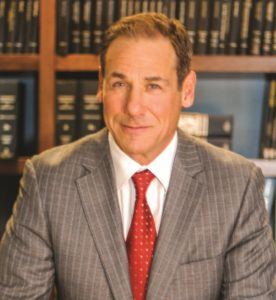
GLK Law Attorney Jeff Korek Argues for Greater Safety Regulations to Protect Construction Workers in New Law.com Article

As New York City’s construction industry continues to boom, the cost of cutting corners has taken a notable impact on human lives, particularly for immigrants and non-union laborers. In 2015, a 22 year-old worker became buried alive after the unenforced trench that he was working in collapsed. His employer ignored safety warnings and was only issued a mere $10,000 fine for their role in his death. In the present time, fines for negligent companies are continuing to shrink as the number of fatalities climbs.
Why Non-union Sites Account for 77% of Fatalities Despite Safety Regulations
Despite numerous regulations designed to protect construction workers, roughly 77% of all construction deaths in New York City occur at nonunion construction sites, according to one NYCOSH report. Many of the workers at these sites are Latino or come from other immigrant communities. They may lack formal representation and often face language barriers. There is a great fear among many workers that they will face potential retaliation and firing if they speak up about unsafe conditions they’ve experienced.
Part of the problem isn’t just the laws that are in place, it’s about how those laws are enforced and the power dynamics between the workers and their employers. Across the entire United States, roughly 90% of all construction workers are not part of any labor union. Workers that try to organize face intimidation and large corporations often run highly aggressive anti-union campaigns. This sets the groundwork for dangerous practices to remain in place. Increasing union representation and having well resource regulators is key to reversing these trends.
How Lawmakers Can Close the Exploitative Subcontractor Loophole for Developers and General Contractors?
One of the tactics that general contractors use to shield themselves from liability is by heavily delegating certain tasks to subcontractors. When accidents do happen, they can simply point to their subcontractors. The complexity of this web of contractors and subcontractors can often make it very difficult and expensive for families to seek justice when a person is injured on the job. Poor record-keeping can also make it difficult to trace what entity was in control when a safety violation does take place.
Lawmakers can help protect workers and their families by closing some of these loopholes and extending liability to all parties who are in control of a worksite. Mandating transparency is another important role for lawmakers. Among other things, there should be clear and well defined roles when it comes to enforcing safety requirements. This would make it easier to identify repeat offenders and allow for more pressure to ensure compliance.
Deterring Violations by Tying OSHA Penalties to Corporate Revenue
OSHA penalties for fatal accidents at construction sites have dropped sharply in recent years. In particular, the average penalty for a fatal accident is just 26,000, a paltry sum for corporation raking in millions and profits. Many large companies consider these fines another part of doing business. The current structure disproportionately affects small contractors and leaves some of the worst defenders unscathed.
One potential solution to this problem is to have penalties scale with corporate revenues. This would help ensure that finds actually due punish large employers and avoid totally crushing smaller businesses. Most of the fatal accidents that take place involve companies with a history of violating OSHA regulations. Revenue based penalties can push some of the worst actors towards adopting change by aligning their financial incentives with promoting safety.
The Role and Legal Options for Families amid New York’s Growing Construction Safety Crisis
Losing a love one at a construction site due to the negligence of some contractor can be devastating. The path that any family takes to pursue justice after such an accident will depend in large part on the status of the worker and the negligent parties. If the deceased worker was listed as an employee, their family will typically have recourse through a workers’ compensation claim. However, these only cover economic losses. When an entity separate from a worker’s employer, contributes to an accident, this may allow families to pursue wrongful death claims.
Under New York Labor Law §240 and §241, general contractors and building owners can be held strictly liable for accidents caused by safety violations. In cases where a contractor’s conduct was particularly egregious, a jury may choose to award punitive damages to deter similar misconduct.
Lessons From NYC’s 70% Drop in Trench Deaths for Broader Safety Reforms
There are important lessons to be learned from the sharp production of New York trench-related death since 2022. New York has seen a 70% drop in these types of accidents. They are a reminder of what is possible when safety rules are properly enforced and worker education is emphasized. Construction companies can prevent accidents and save lives by adopting similar strategies. This includes acquiring daily inspections and using advanced planning tools to identify potential risk at a job site. Collaboration between lawmakers, industry, leaders, unions, and well funded regulators is an essential component of creating lasting change that helps make all work sites across New York safer.