







Why Compartment Syndrome Deserves Attention
Most people have never heard of compartment syndrome until it affects them or someone they love. It is not a household term, and it rarely makes the news. Yet it occurs more often than people realize. Studies estimate that acute compartment syndrome develops in roughly 3 out of every 100,000 people each year, with higher rates among those who experience severe fractures or traumatic injuries. For patients in emergency rooms or post-surgical wards, the condition is a real and immediate threat.
Imagine suffering a broken leg in a car accident. The bone is set, a cast is applied, and you are told to rest and recover. But days later, the pain becomes unbearable. You report it to your providers, only to be told it is “normal post-surgical discomfort.” Hours later, you cannot move your foot. By the time doctors recognize the problem, permanent nerve damage has occurred. This is the reality of compartment syndrome — and sadly, it is a reality many patients face because their symptoms were dismissed or their treatment was delayed.
Our Dual Mission
This article serves two purposes. First, it explains compartment syndrome, walking you step by step through the condition’s development, diagnosis, treatment, and long-term consequences. Along the way, you will see medical illustrations that clarify what words alone cannot convey.
Second, it highlights the legal perspective. As attorneys, we know that compartment syndrome is not only a medical condition but also a legal issue when negligence contributes to a patient’s suffering. Our role at Gersowitz Libo & Korek, P.C. is to connect these worlds — the medicine and the law — to hold negligent parties accountable and secure the compensation our clients need to rebuild their lives.
If you or a loved one has been affected by compartment syndrome or another serious injury, the attorneys at Gersowitz Libo & Korek, P.C. are here to help. You can reach us at (201) 541-8540 or online.
What Is Compartment Syndrome?
Compartment syndrome is a medical emergency that occurs when excessive pressure builds up inside one of the body’s compartments — groups of muscles, nerves, and blood vessels surrounded by inelastic tissue called fascia. Unlike skin, fascia cannot stretch. This means that when swelling or bleeding occurs inside a compartment, the fascia creates a rigid boundary that traps the pressure.
Anatomy of a Compartment
Each limb contains multiple compartments. In the lower leg, for example, there are four major compartments, each housing muscles and nerves responsible for movement and sensation. These compartments are vital for normal function, but their rigid boundaries make them vulnerable when swelling occurs.
Under normal circumstances, blood flows freely through arteries and veins, carrying oxygen to the tissues and removing waste products. When compartment pressure rises, however, circulation is restricted. Muscles and nerves are deprived of oxygen, and the tissues begin to die.
Acute vs. Chronic Compartment Syndrome
There are two main types of compartment syndrome:
- Acute Compartment Syndrome: This is the most dangerous form, developing after trauma, fractures, or surgery. It progresses quickly and requires immediate surgical intervention.
- Chronic Exertional Compartment Syndrome: Typically seen in athletes, this form develops gradually during exercise and resolves with rest. It is painful but rarely leads to permanent damage.
The focus of this article — and the cases we most often handle — is acute compartment syndrome, because of its catastrophic consequences when providers fail to act.
Figure 1. Cycle of Compartment Syndrome
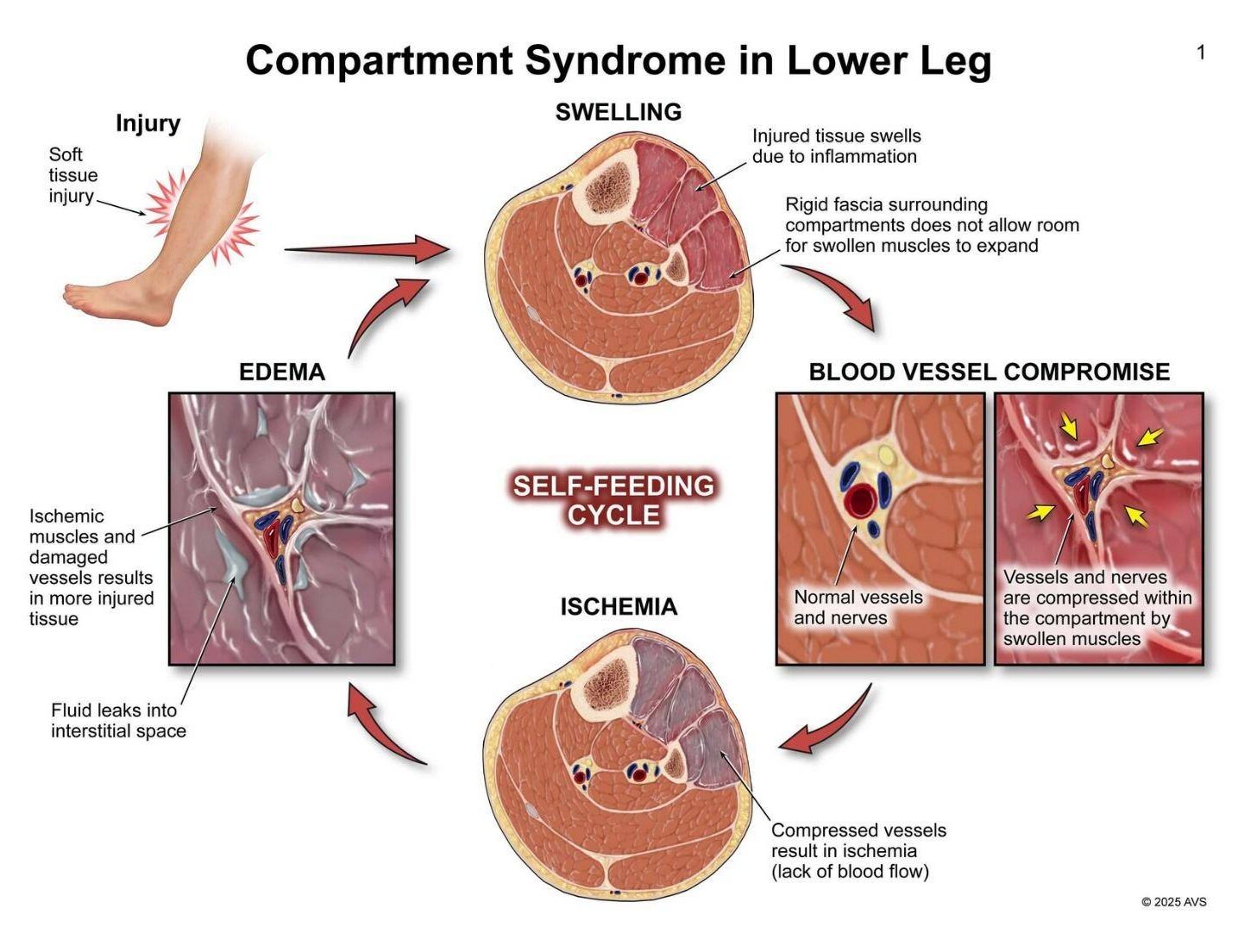
The diagram above illustrates the vicious cycle. Swelling increases pressure, reduced blood flow leads to ischemia (tissue death), ischemia causes further swelling, and the process spirals until permanent damage occurs.
Why Timing Matters
One of the most critical facts about compartment syndrome is how quickly it progresses. Tissue death can begin within 4–6 hours of pressure elevation. The longer the delay, the more extensive the damage. This urgency is why doctors must treat compartment syndrome as an emergency — and why delays are often the key factor in malpractice cases.
Causes of Compartment Syndrome
While compartment syndrome may seem rare or unusual, the underlying causes are fairly common. Any condition that produces significant swelling, bleeding, or external compression of a limb can trigger this medical emergency. Understanding these causes is important not only for patients but also for jurors in a courtroom, because it shows how often the condition could and should have been prevented.
Traumatic Injuries:
The most common cause of compartment syndrome is trauma. Severe fractures — especially of the tibia in the lower leg or the forearm bones — frequently lead to swelling that overwhelms the compartment. Crush injuries, such as those sustained in motor vehicle accidents or workplace accidents, can have the same effect.
In these cases, compartment syndrome is often foreseeable. When doctors and hospitals fail to monitor patients with these risk factors, they may miss the early signs until it is too late.
Post-Surgical Complications:
Surgery itself can also be a trigger. Orthopedic operations, vascular repairs, or even routine procedures may result in post-operative bleeding or swelling. In some situations, improper surgical technique, poor wound management, or inadequate monitoring are contributing factors.
For patients, this means that compartment syndrome may develop not from the original injury but from the treatment itself. In the legal context, this makes careful review of hospital records and operative reports essential.
Casts, Dressings, and Bandages:
External compression can also cause compartment syndrome. A cast or bandage applied too tightly restricts circulation and raises pressure inside the limb. When medical professionals fail to check circulation after casting — something as simple as looking for swelling, numbness, or bluish skin — the consequences can be disastrous.
From a malpractice perspective, this is one of the most clear-cut scenarios, because monitoring cast tightness is a basic standard of care.
Burns and Other Causes:
Severe burns may also cause compartment syndrome. The damaged tissue swells rapidly, and the eschar (a hardened layer of dead skin) creates a rigid boundary similar to fascia, trapping pressure inside. Rarely, even vigorous exercise can lead to exertional compartment syndrome, particularly in athletes. Though usually not as catastrophic, exertional cases highlight how delicate the balance inside the body’s compartments can be.
Why Causes Matter Legally
The cause of a patient’s compartment syndrome is more than a medical detail — it is often central to the legal claim. Trauma-related cases may focus on whether the hospital recognized the risk early. Post-surgical cases may ask whether the surgeon or nursing staff acted appropriately. Cast-related cases often highlight failures in basic monitoring.
At Gersowitz Libo & Korek, P.C., we investigate the cause in every case to determine whether negligence contributed to the outcome.
Early Signs and Diagnosis
Recognizing compartment syndrome early is critical. The condition can cause permanent damage within hours, yet its early warning signs are often subtle or dismissed. A missed diagnosis is one of the most common grounds for malpractice in these cases.
The Five P’s of Compartment Syndrome
Doctors are taught to look for the “five P’s” when evaluating possible compartment syndrome:
- Pain – Severe, persistent, and out of proportion to the injury. This is the most reliable early sign.
- Pallor – The skin may appear pale or shiny as circulation decreases.
- Paresthesia – Tingling, numbness, or burning sensations, indicating nerve compression.
- Paralysis – Weakness or inability to move the limb, a late and ominous sign.
- Pulselessness – The absence of a detectable pulse, which occurs only when the condition is advanced.
Failure to respond to the first and most important sign — pain — is often the reason compartment syndrome progresses unchecked.
Diagnostic Tools
Doctors have several tools available to confirm a suspected case:
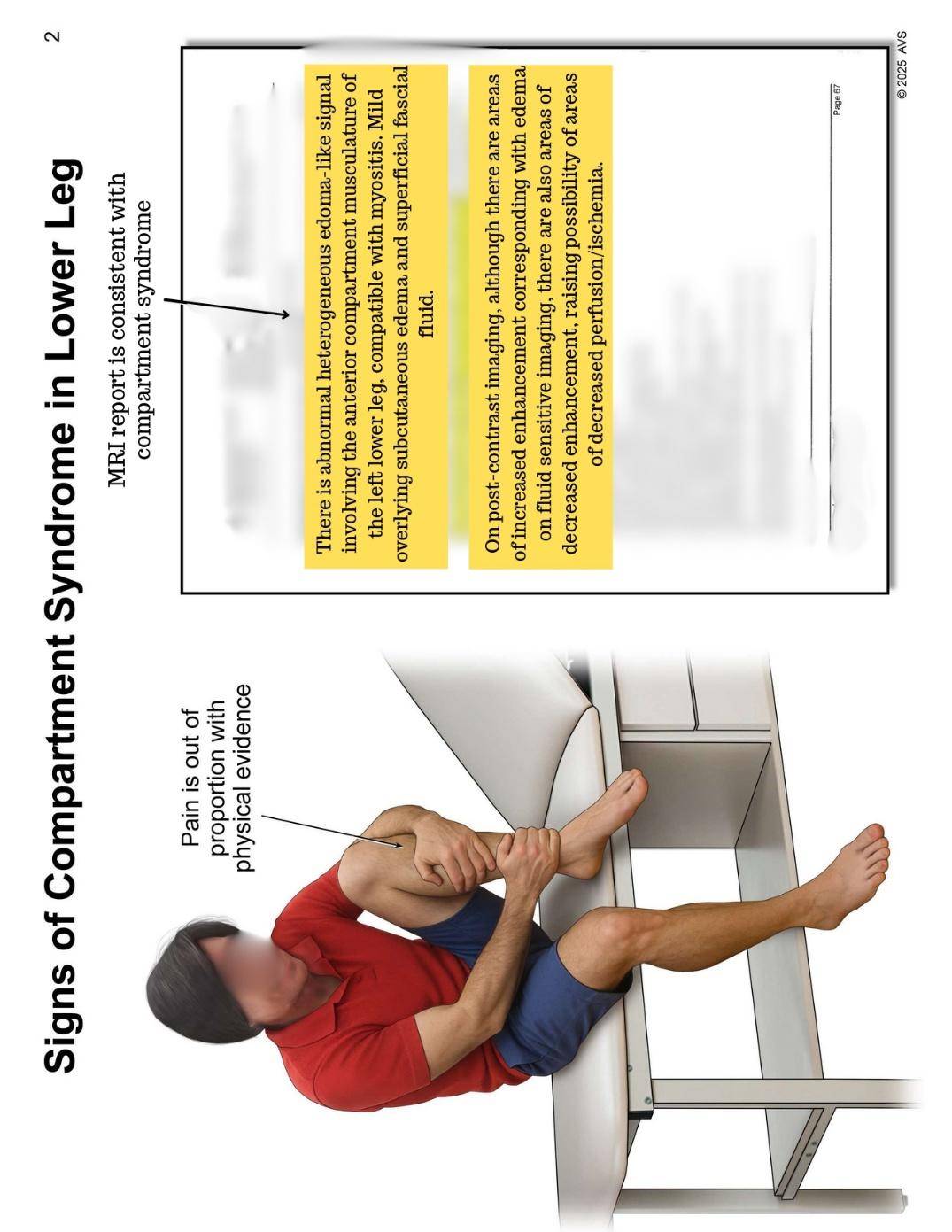
Imaging: MRI and other scans may reveal abnormal swelling and reduced blood flow.
Figure 2. MRI of Compartment Syndrome: Edema
Compartment Pressure Measurement
This is the most definitive test. Doctors insert a needle or catheter into the compartment to measure the internal pressure. A reading above 30 mmHg signals an emergency.
Figure 3. Compartment Pressure Monitoring

The illustration above shows how this measurement is taken. It is a simple, effective test that can prevent devastating outcomes — if performed in time.
Legal Perspective on Missed Diagnoses
From a legal standpoint, failure to diagnose compartment syndrome is a breach of the standard of care. When a patient reports severe, unrelenting pain, or when imaging and monitoring tools are available but not used, providers may be held responsible for the harm that follows.
At Gersowitz Libo & Korek, P.C., we use these visuals in court to demonstrate not only what should have been done, but also how obvious the condition was at the time. For a jury, this transforms abstract negligence into a concrete failure to act.
Progression and Severity
Compartment syndrome does not develop gradually over weeks or months. Once it begins, it can advance from mild swelling to irreversible damage in just a few hours. The speed of this condition is what makes it so dangerous — and why delayed diagnosis is almost always catastrophic.
The Escalating Cycle
The body becomes trapped in a self-perpetuating cycle:
- Initial Trauma or Swelling – An accident, surgery, or cast leads to bleeding or fluid buildup inside the compartment.
- Increased Pressure – The fascia, unable to expand, causes pressure to rise.
- Restricted Circulation – Blood flow to muscles and nerves slows, then stops.
- Ischemia and Necrosis – Starved of oxygen, tissues begin to die.
- Permanent Damage – Within six to twelve hours, function may be lost for good.
Figure 4. Stages of Compartment Syndrome Progression
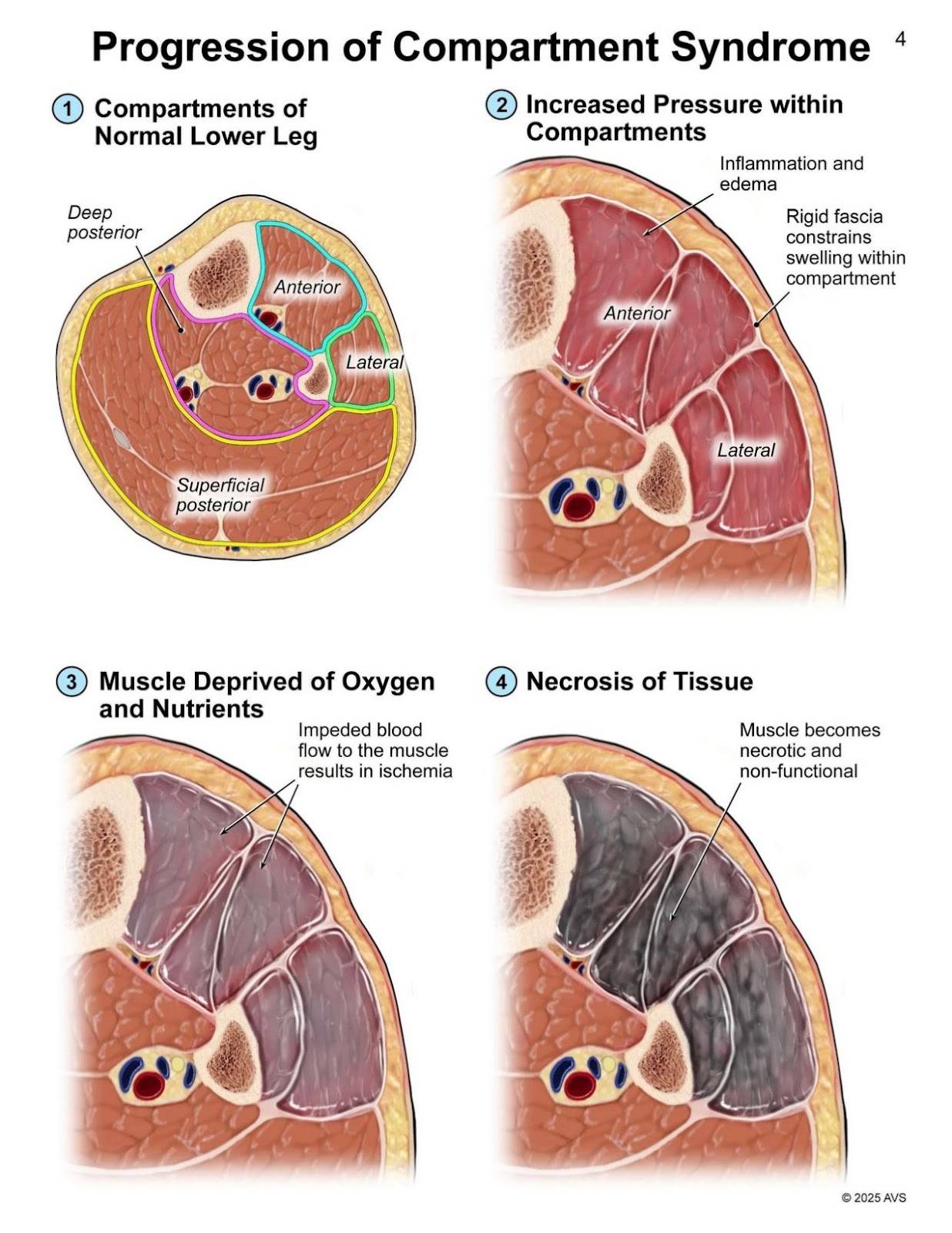
The diagram above shows how quickly the condition can spiral out of control.
- The Six-Hour Window: Medical literature often describes a “six-hour window.” If fasciotomy is performed within this time frame, outcomes are far better. After twelve hours, the risk of permanent muscle and nerve damage rises dramatically. By twenty-four hours, amputation may be unavoidable.
- Contractures and Deformities: Even if amputation is avoided, patients may develop Volkmann’s contracture — a deformity caused by muscle death and scarring that locks the limb in a bent position. These contractures severely limit mobility and often require lifelong therapy.
- Legal Perspective: For attorneys, the progression of compartment syndrome provides a clear timeline of negligence. Medical providers know that every hour matters. If a patient was left in pain for hours without proper evaluation, or if surgery was delayed despite obvious signs, this becomes strong evidence of malpractice.
Surgical Management: Step-By-Step Interventions
Once compartment syndrome is diagnosed, surgery is the only option. This section walks through the sequence of operations that many patients endure — each step illustrated in the case study diagrams.
Fasciotomy: The Emergency Procedure
Figure 5. Fasciotomy of the Anterior Compartment
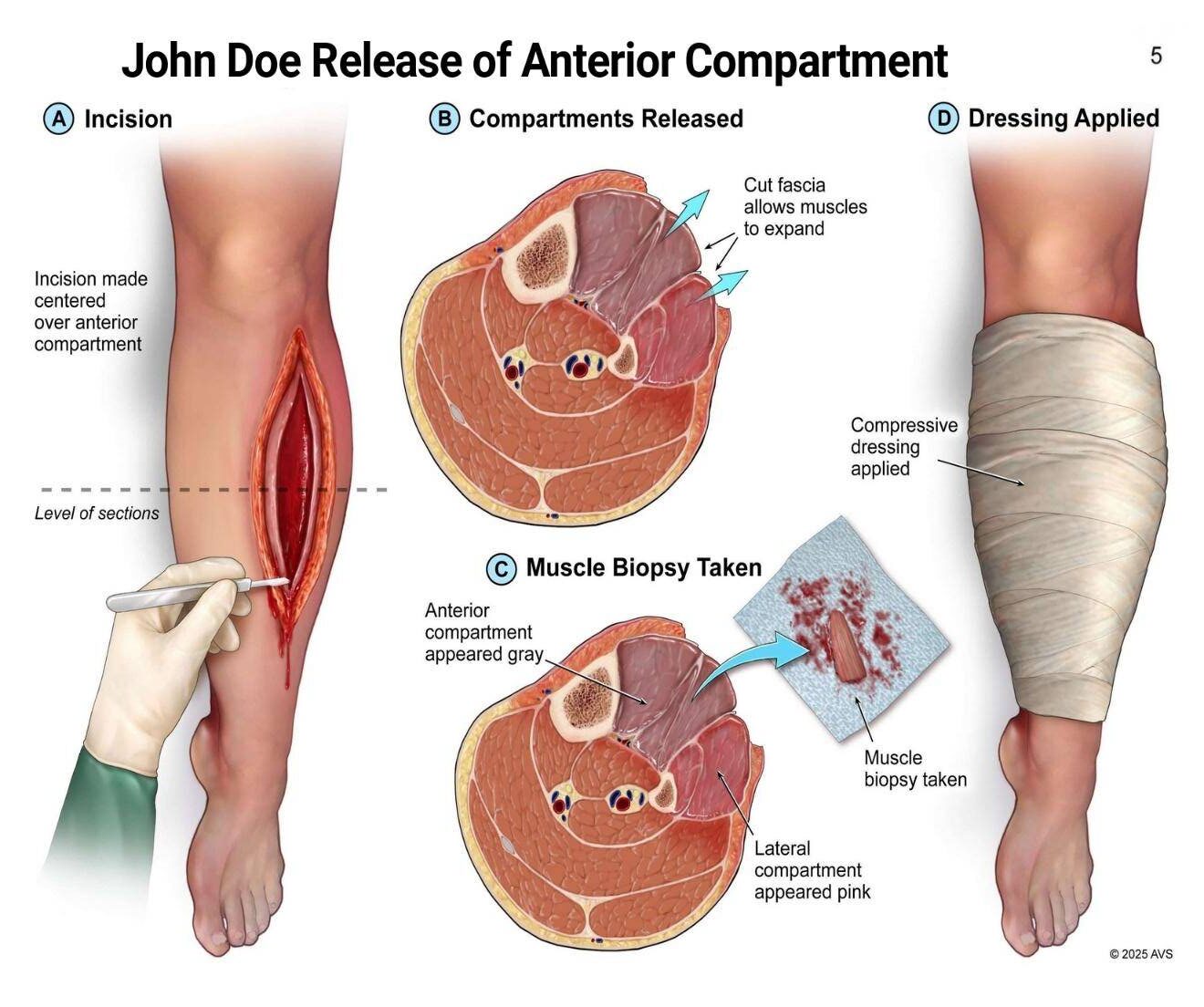
The first step is fasciotomy— cutting open the fascia to relieve pressure. Surgeons make long incisions along the limb, exposing the swollen muscle and allowing it to expand outward. This restores blood flow but leaves the wound open and vulnerable.
For patients, the sight of their leg after fasciotomy can be traumatic. Instead of stitches, they see large open wounds requiring constant care. Recovery is slow and painful.
From a legal perspective, the extent of fasciotomy needed is often directly tied to the delay in diagnosis. The longer the wait, the more invasive the surgery must be.
Irrigation and Debridement: Removing Dead Tissue
Figure 6. Irrigation and Debridement
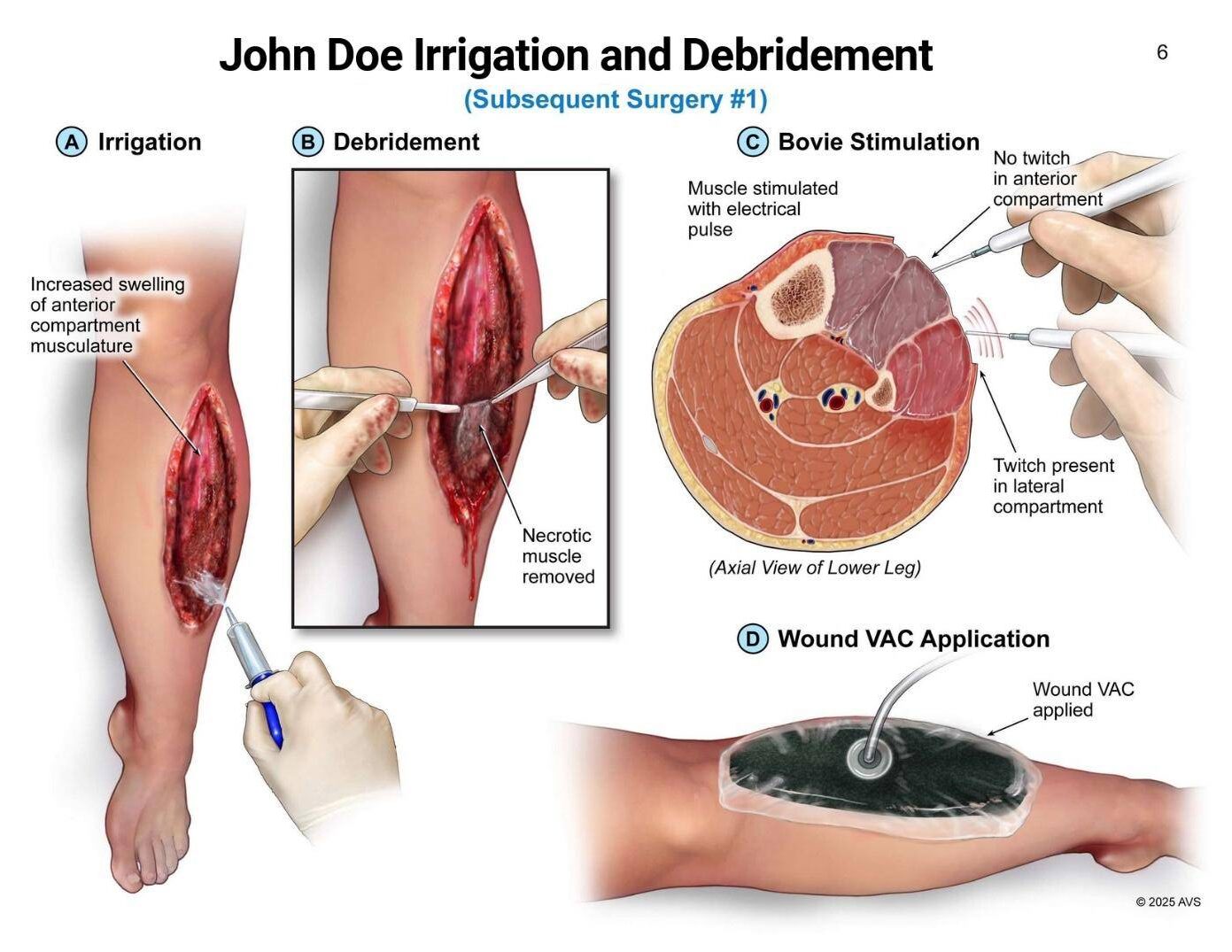
After fasciotomy, surgeons must repeatedly clean the wound and remove dead tissue. This is known as debridement. It may be performed multiple times over several days.
Each debridement is an additional surgery, requiring anesthesia and hospitalization. For patients, it means repeated trauma, extended hospital stays, and mounting medical bills.
In court, diagrams like this one show jurors why compartment syndrome is not “one surgery and done,” but a cascade of operations.
Attempted Closures: When Healing Is Not Ready
Figure 7. Debridement and Attempted Closure
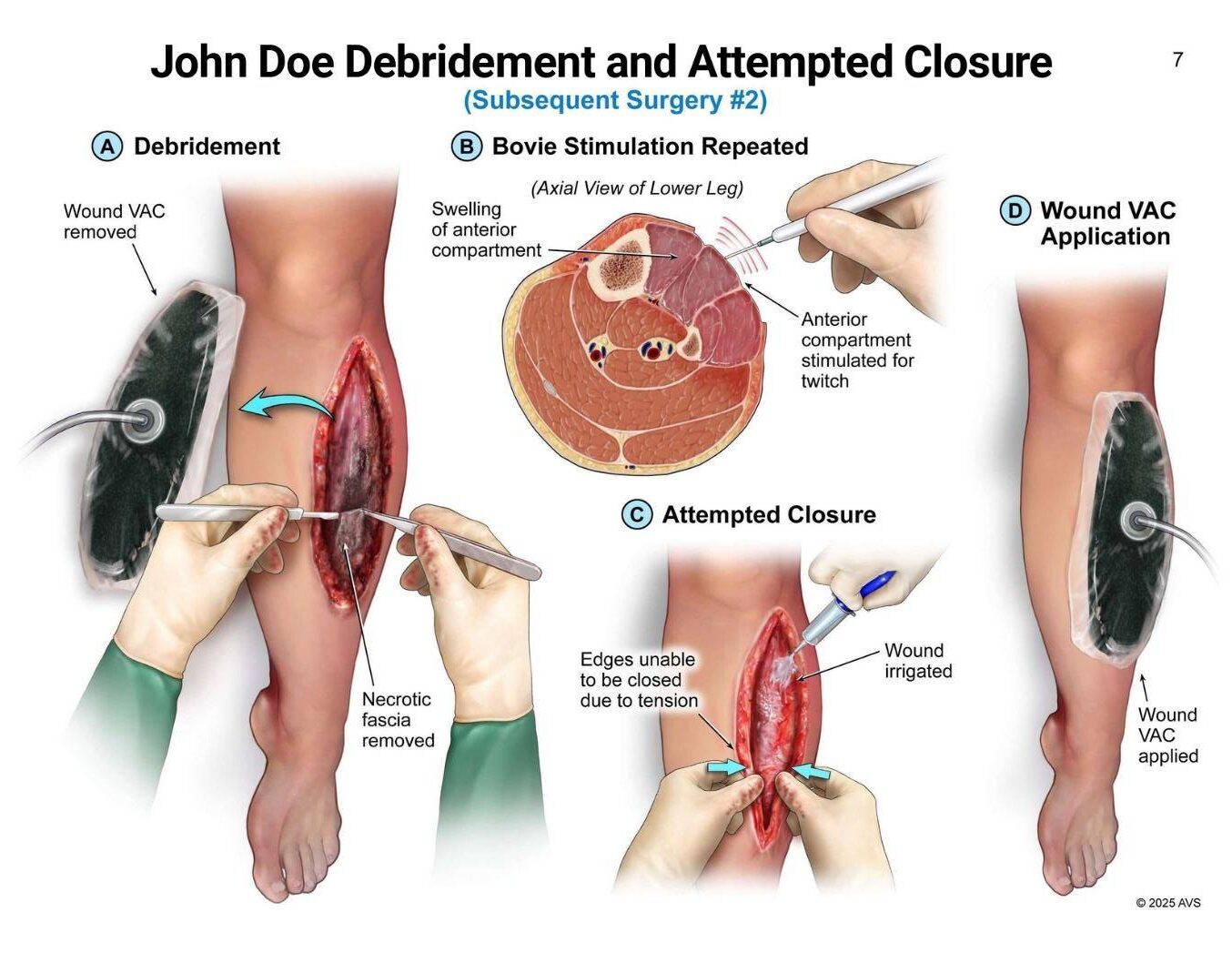
Figure 8. Debridement and Attempted Closure (Repeat)
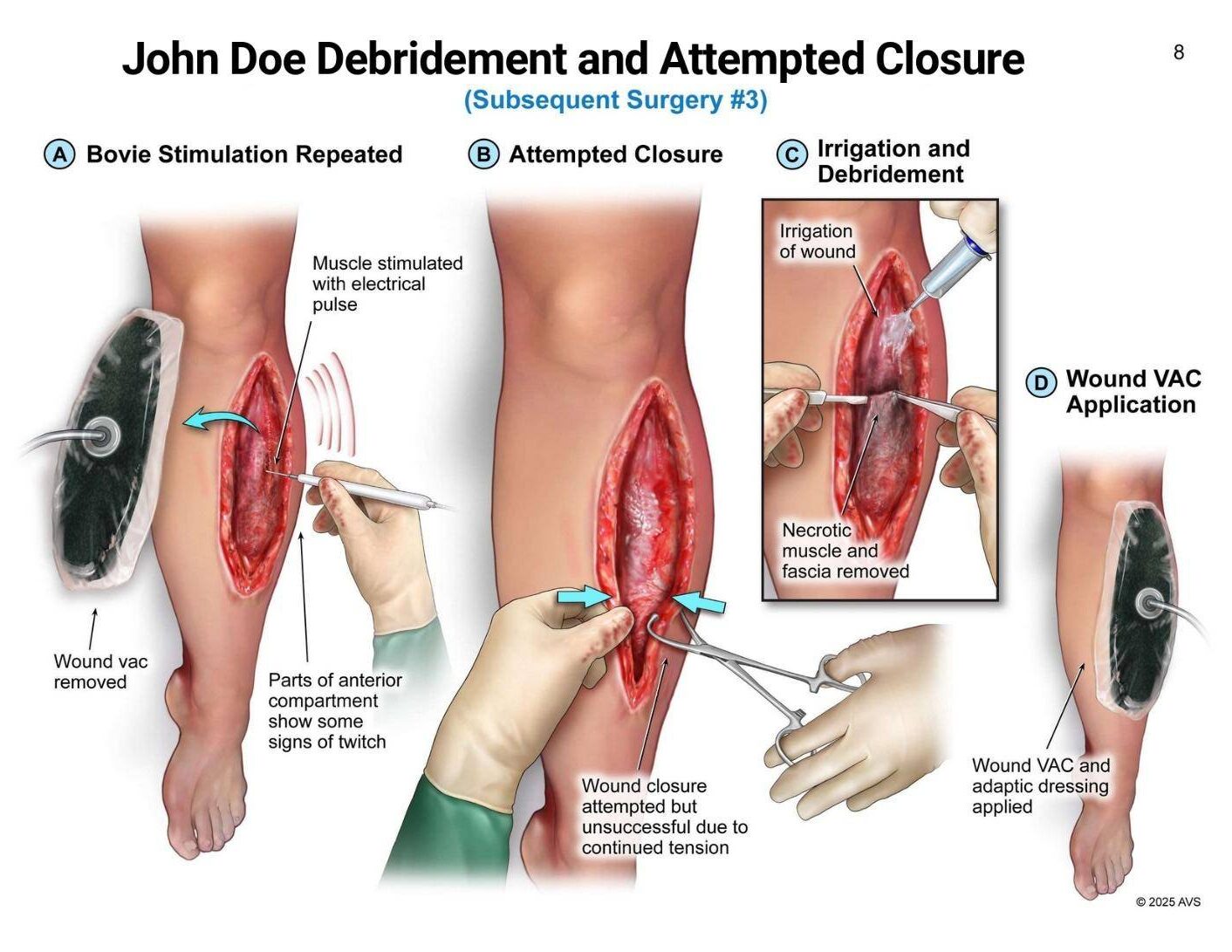
Surgeons often attempt partial closure after initial debridements, but swelling may still be too severe. In these cases, stitches or staples may hold only parts of the wound, while other sections remain open.
For patients, this is an exhausting cycle: hope that healing has begun, followed by more surgery when the wound cannot yet be closed.
Partial Closure: A Milestone in Recovery
Figure 9. Debridement and Partial Closure
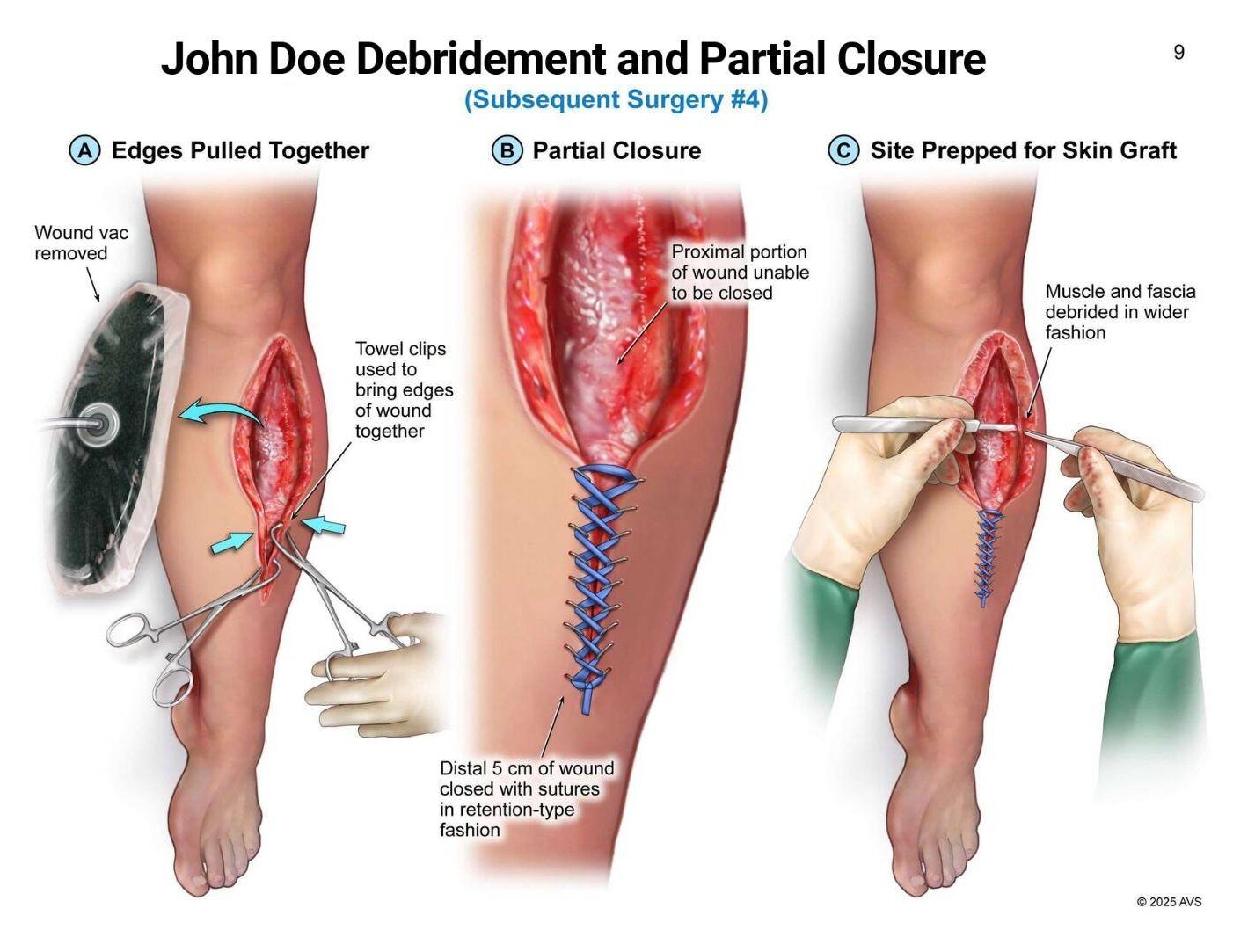
Partial closure is a sign of progress. It means swelling has subsided enough for some of the wound to be stitched together. Still, large areas often remain exposed, and further treatment is required.
Skin Grafting: Covering the Wound
Figure 10. Skin Grafting
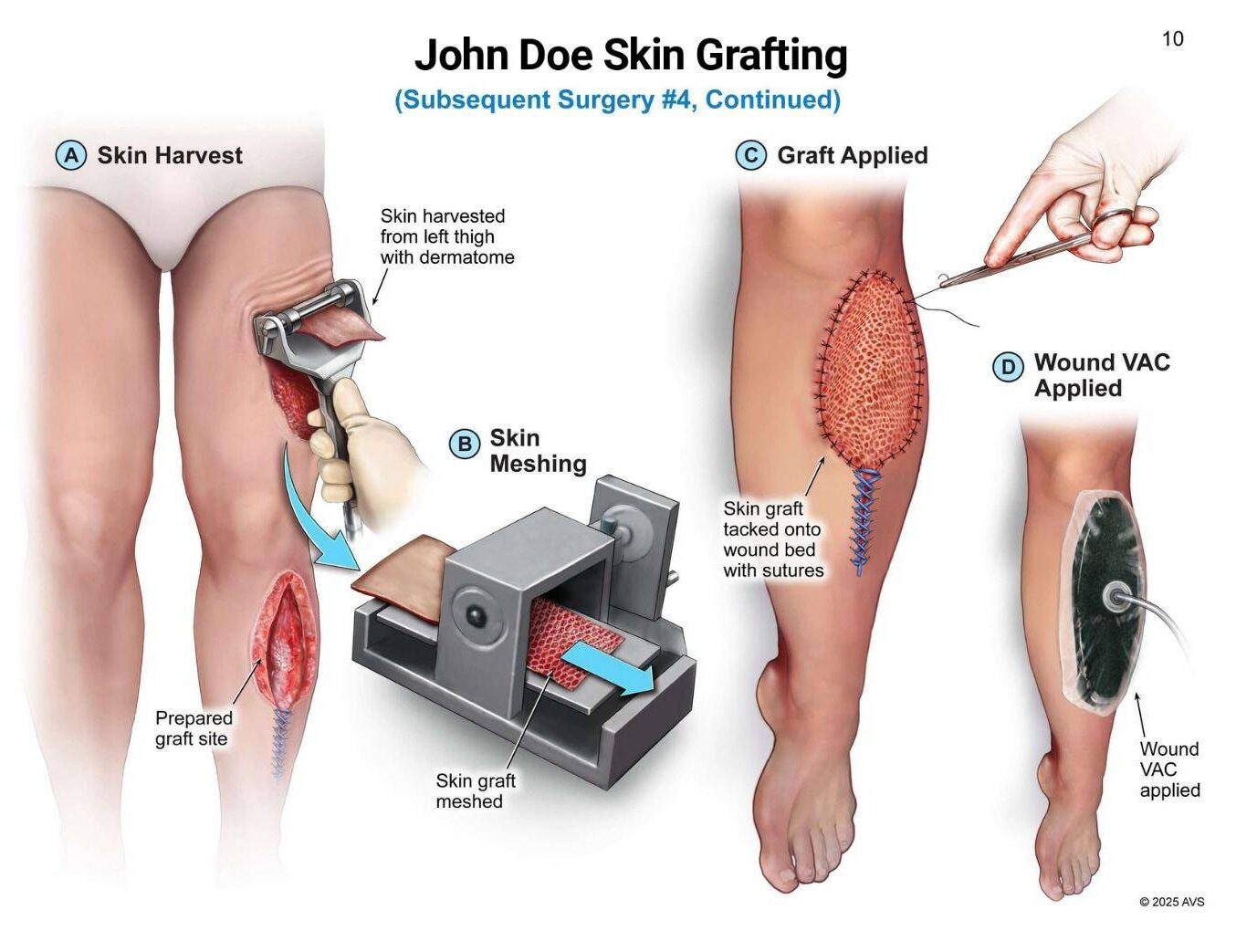
In many cases, final closure requires skin grafting. Surgeons remove healthy skin from another part of the body and transplant it over the wound. This protects the muscle, reduces infection risk, and helps restore appearance.
For patients, skin grafting is bittersweet. It represents progress, but it also leaves scars at both the graft and donor sites. Some grafts fail, requiring repeat procedures.
The Legal Perspective on Surgical Management
For attorneys, each of these surgical stages demonstrates the toll of delayed care. A patient who undergoes fasciotomy within hours may recover with minimal lasting harm. A patient whose treatment is delayed may require ten surgeries, months of hospitalization, and permanent disability.
At Gersowitz Libo & Korek, P.C., we use these images and timelines to show jurors the difference that timely intervention could have made. It transforms negligence from an abstract concept into a concrete, human story of avoidable suffering.
Complications and Long-Term Outcomes
Even when patients survive the initial crisis of compartment syndrome and undergo multiple surgeries, many are left with permanent complications. These complications affect not just physical health but also emotional well-being, quality of life, and financial stability.
Nerve Damage and Foot Drop
Figure 11. Foot Drop Resulting From Nerve Damage
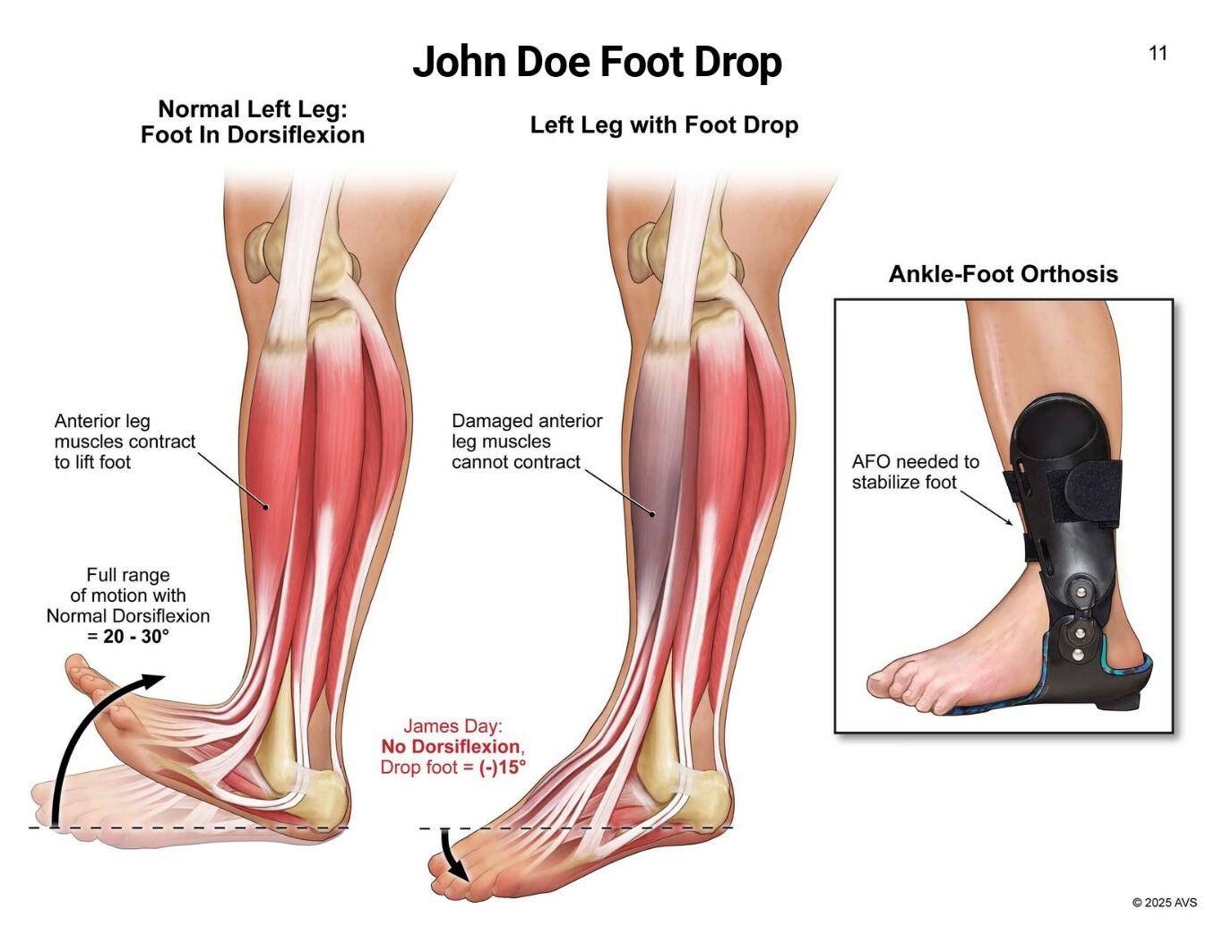
One of the most common outcomes is foot drop, a condition in which patients cannot lift the front part of the foot. This happens when nerves in the anterior compartment are damaged by prolonged ischemia. For patients, foot drop means difficulty walking, frequent tripping, and reliance on braces or assistive devices. In many cases, the weakness is permanent.
- Chronic Pain and Sensory Loss: Nerve injuries also cause neuropathic pain, which can be burning, tingling, or shock-like. Unlike pain from a broken bone, nerve pain often does not respond well to medication. Some patients experience ongoing numbness or hypersensitivity, making daily tasks challenging.
- Scarring and Deformity: Even after wounds are closed and skin grafts are placed, visible scars remain. Some patients live with large, irregular scars that draw unwanted attention. Others experience contractures, where muscle scarring locks joints into a bent position, limiting mobility.
- Repeat Surgeries and Medical Care: Recovery from compartment syndrome is rarely a single event. Many patients require follow-up surgeries, additional skin grafts, or tendon transfers to restore partial function. Physical therapy and rehabilitation can continue for months or even years.
Figure 12. Repeat Irrigation and Debridement
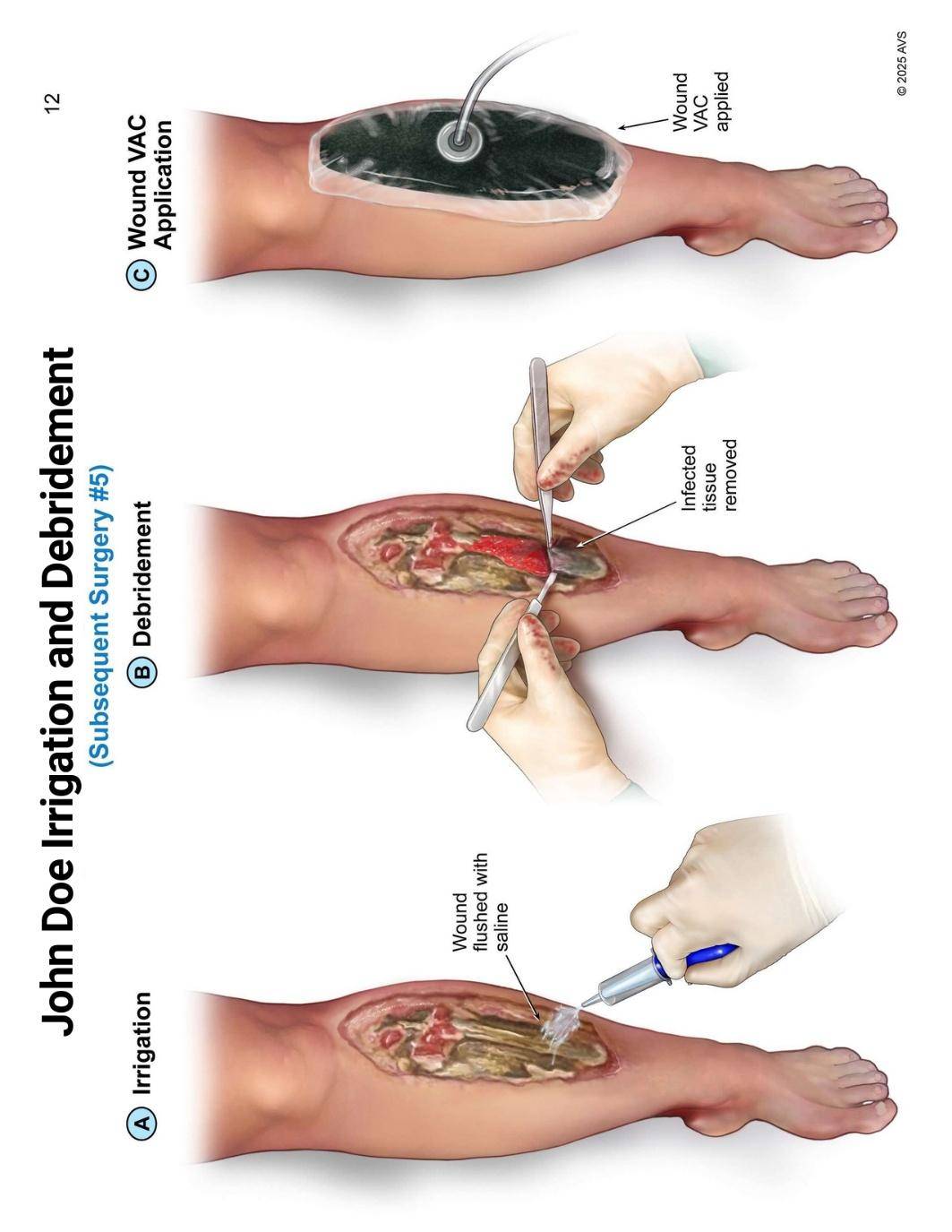
Figure 13. Post-Closure Appearance
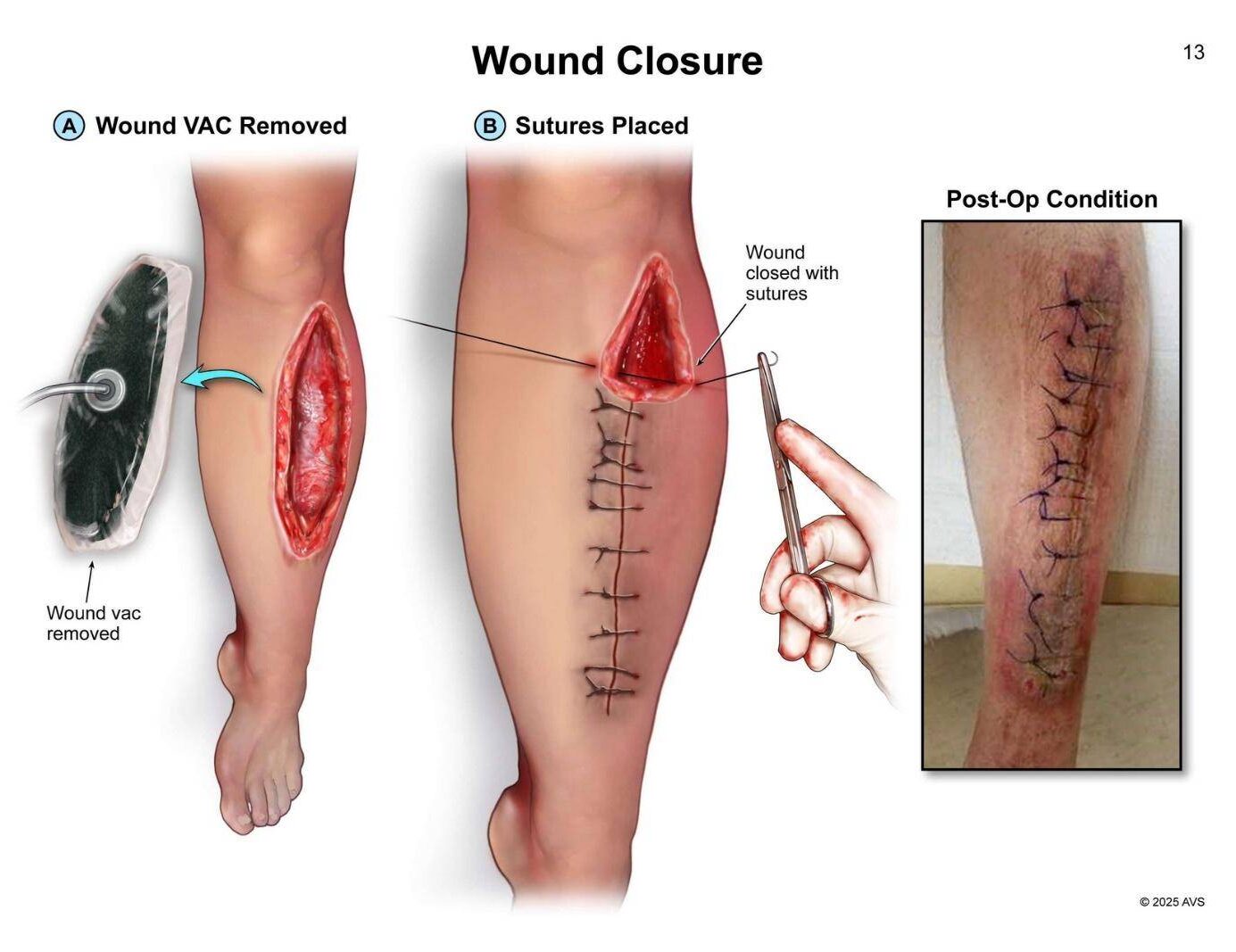
These final diagrams show the post-closure stage. For the patient, however, “closure” does not mean the end of the journey. It is often the beginning of a lifelong struggle with limited function.
Emotional and Psychological Toll
Chronic pain, disability, and scars take a heavy psychological toll. Patients may experience depression, anxiety, or post-traumatic stress related to the original injury and subsequent medical care. The sudden shift from health to disability often creates feelings of loss and isolation.
Legal Perspective
In New York and New Jersey, damages in a personal injury or medical malpractice case include not just the cost of medical bills but also compensation for pain, suffering, loss of earning capacity, and diminished quality of life. Demonstrating the long-term consequences of compartment syndrome is crucial in securing fair compensation.
At Gersowitz Libo & Korek, P.C., we ensure juries understand that these outcomes are not temporary setbacks. They are permanent, life-altering disabilities caused by negligence.
The Human and Lifestyle Impact
Compartment syndrome is not just a medical condition described in textbooks. It is a human event that reshapes lives. Beyond the surgeries and scars, patients face challenges that touch every part of daily life.
- Impact on Work and Career: A construction worker who once lifted heavy materials may no longer be able to stand for long periods. A teacher may find it impossible to walk around the classroom without braces or pain. For younger patients, compartment syndrome may end careers before they begin. Loss of earning capacity is one of the most significant damages we pursue in these cases.
- Family Burden and Caregiving: When one family member suffers disability, others step in as caregivers. Spouses may reduce their work hours or leave jobs entirely to provide support. Children may take on responsibilities beyond their years. These shifts strain relationships and create additional financial hardship.
- Emotional and Social Consequences: Many patients describe feeling isolated. Activities they once enjoyed — sports, hiking, dancing — may no longer be possible. Visible scars or braces can lead to self-consciousn: ss, while chronic pain makes social outings difficult. Depression and anxiety are common, fueled by frustration and grief over lost independence.
- Financial Strain: Even with health insurance, the financial burden of repeated surgeries, physical therapy, and medical devices is overwhelming. Lost wages compound the problem. Families often struggle to keep up with medical bills while adjusting to reduced income.
Why This Matters in Court
In legal terms, these lifestyle impacts are considered non-economic damages. But for patients, they are the most tangible parts of life. At Gersowitz Libo & Korek, P.C., we present these realities clearly to juries, often with testimony from the patient, family members, and friends. We want jurors to understand that compartment syndrome is not just about medical records — it is about a person whose life has been changed forever.
The Role of Expert Witnesses
In both New York and New Jersey, medical malpractice cases cannot move forward without the testimony of qualified expert witnesses. This requirement is especially important in compartment syndrome cases, which involve complex medical facts, detailed timelines, and life-altering outcomes.
Why Expert Witnesses Are Essential
Jurors are not doctors. They may never have heard of compartment syndrome before entering the courtroom. Expert witnesses help bridge this gap by explaining:
- What compartment syndrome is and how it develops.
- What the accepted standard of care requires.
- How delays in diagnosis or treatment caused the patient’s harm.
Without expert testimony, jurors may not appreciate the urgency of the condition or understand why a few hours of delay can mean the difference between recovery and permanent disability.
Types of Experts in Compartment Syndrome Cases
- Orthopedic Surgeons: Explain fractures, limb anatomy, and the surgical procedures required to treat compartment syndrome.
- Trauma Surgeons: Provide insight into emergency room care, triage decisions, and surgical timing.
- Neurologists: Clarify the extent of nerve damage and long-term complications such as foot drop or chronic pain.
- Rehabilitation Specialists: Describe the patient’s ongoing limitations and future medical needs.
- Economic Experts: Calculate the lifetime cost of care, lost wages, and diminished earning capacity.
Expert Testimony in Practice
In trial, experts use the same types of visuals you see in this article — MRI scans, pressure monitoring diagrams, and surgical illustrations — to walk jurors through the patient’s journey. They compare what should have been done with what actually happened, showing how deviations from the standard of care caused preventable harm.
GLK’s Approach to Expert Witnesses
At Gersowitz Libo & Korek, P.C., we work with leading medical professionals who are both highly qualified and effective communicators. We know that the best expert is not only knowledgeable but also persuasive. Our experts break down complex concepts into plain language and use visuals to ensure jurors understand the stakes.
By combining expert testimony with compelling medical illustrations, we build a case that is both scientifically accurate and emotionally resonant.
The Legal Perspective
While the medical story of compartment syndrome is powerful on its own, the legal framework is what allows patients to seek justice and compensation. In both New York and New Jersey, the law provides avenues for recovery — but also sets important rules and deadlines.
The Standard of Care
Doctors, nurses, and hospitals are required to provide treatment consistent with what a reasonably careful provider would do under similar circumstances. For compartment syndrome, this means:
- Recognizing severe pain and swelling as warning signs.
- Ordering diagnostic tests such as MRI or pressure monitoring.
- Performing fasciotomy promptly when indicated.
When providers fail to meet this standard, and a patient suffers preventable harm, negligence has occurred.
Statute of Limitations
Every state sets deadlines for filing malpractice claims:
- New York: Patients generally have 2 years and 6 months (30 months) from the date of the malpractice.
- New Jersey: Patients generally have 2 years from the date of the malpractice, or from when they reasonably discovered the injury.
Exceptions apply — for example, if the patient is a minor or if continuous treatment was provided — but these deadlines make early consultation with an attorney critical. Waiting too long may mean losing the right to pursue a claim.
Comparative Negligence
Both states apply forms of comparative negligence, which means compensation can be reduced if a patient is found partly responsible for their outcome (for example, by not following post-operative instructions). However, in compartment syndrome cases, responsibility almost always lies with the medical providers, because the condition requires urgent recognition and treatment.
Types of Damages
Patients in NY and NJ may be entitled to recover:
- Economic Damages: Medical bills (past and future), rehabilitation costs, lost wages, and loss of earning capacity.
- Non-Economic Damages: Pain, suffering, disability, scarring, and diminished quality of life.
- Punitive Damages: In rare cases, when conduct is especially reckless.
How Juries Respond
Juries often find compartment syndrome cases compelling because the harm is so clear and the progression is so preventable. By presenting expert testimony alongside visuals of fasciotomy incisions, pressure monitors, and nerve damage, we help jurors see the connection between negligence and lifelong suffering.
GLK’s Role
At Gersowitz Libo & Korek, P.C., we combine knowledge of New York and New Jersey law with decades of courtroom experience. We know how to investigate medical records, work with experts, and present cases that persuade juries. Our goal is not only to secure compensation for our clients but also to hold negligent providers accountable and prevent future tragedies.
Why Choosing the Right Law Firm Matters
Compartment syndrome cases are among the most complex medical malpractice claims. They involve advanced medical knowledge, multiple surgeries, long-term disability, and significant financial losses. Not every law firm is prepared to handle cases of this magnitude. The attorneys you choose can make the difference between a disappointing settlement and a life-changing verdict.
The Complexity of Compartment Syndrome Cases
Unlike more straightforward injury claims, compartment syndrome cases require:
- Deep Medical Understanding: Attorneys must grasp anatomy, pathophysiology, and surgical procedures.
- Detailed Case Reconstruction: Timelines of diagnosis and treatment are critical, often down to the hour.
- Expert Collaboration: Success depends on working with leading orthopedic surgeons, trauma specialists, and rehabilitation experts.
- Compelling Storytelling: Medical terms alone do not persuade juries. Lawyers must translate the science into a human story of suffering and resilience.
What Sets GLK Apart
At Gersowitz Libo & Korek, P.C., we bring decades of experience in both New York and New Jersey courts. Our attorneys have a proven track record of success in catastrophic injury and medical malpractice cases, including those involving rare but devastating conditions like compartment syndrome.
Our approach combines:
- Trial Readiness: Insurance companies know we are willing to go to trial when necessary. This often results in stronger settlements.
- Medical Expertise: Our compartment syndrome attorney works closely with expert witnesses and use advanced visuals to make complex cases clear.
- Personal Attention: Every client is treated as a person, not a file number. We take the time to understand your story and present it with compassion and conviction.
- Results-Driven Advocacy: Our goal is always to secure the resources you need for medical care, lost income, and long-term stability.
Why This Matters for You
When you are facing the lifelong consequences of compartment syndrome, you cannot afford to place your trust in attorneys without the right experience. At GLK, we have dedicated our careers to helping people like you — individuals and families blindsided by medical negligence. Choosing the right law firm is not just a legal decision; it is a step toward reclaiming your future.
NJ & NY Compartment Syndrome Lawyers
Compartment syndrome is more than a medical diagnosis. It is a life-altering event that transforms a routine injury or surgery into a cascade of surgeries, permanent complications, and emotional and financial hardship. What begins as swelling and pain can escalate into fasciotomy, debridements, skin grafting, nerve damage, and disability.
For patients and families, the journey often feels overwhelming. But you are not alone. The attorneys at Gersowitz Libo & Korek, P.C. understand both the medicine and the law. We know how to hold negligent providers accountable, and we have the tools — from expert testimony to compelling medical illustrations — to make sure your story is heard.
Why Time Is Critical
In both New York and New Jersey, strict deadlines apply to medical malpractice claims. In New York, patients generally have 2 years and 6 months (30 months) from the date of malpractice to file a claim. In New Jersey, the time limit is typically 2 years, though some exceptions may extend or shorten this window. Acting quickly ensures your rights are preserved and evidence is not lost.
Take the Next Step
Your recovery matters, and so does your future. You deserve compensation for the medical care, lost wages, and quality of life you have lost. More importantly, you deserve justice for the negligence that caused your suffering.
Gersowitz Libo & Korek, P.C. is here to help. Contact us today at (201) 541-8540 or online to speak with an experienced compartment syndrome lawyer. We are ready to listen, guide you through your options, and fight tirelessly on your behalf.
